For years, open houses were considered one of the most effective ways to introduce buyers to a home.
Before smartphones, online listings, and virtual tours became standard, buyers often relied on yard signs, brochures, and weekend open houses to discover properties. Walking through a home wasn't just part of the buying process—it was often the very beginning of it.
Today's market looks very different.
Most buyers now begin their search online, scrolling through professional photography, video walkthroughs, floor plans, neighborhood information, and pricing long before scheduling a visit. By the time they attend an open house, they've often already decided the property is worth seeing.
That shift has led many homeowners to ask an important question:
If buyers already know so much before walking through the front door, do open houses still matter?
The answer is yes—but their role has changed significantly.
Open Houses Are No Longer About Discovery
One of the biggest changes in today's real estate market isn't the open house itself. It's the buyer.
Years ago, buyers often entered an open house with very little information beyond the property's location and asking price. Today, they arrive with far more context. They've compared similar homes, reviewed listing photos, explored nearby amenities, and sometimes even taken a virtual tour before stepping inside.
Instead of introducing buyers to a property for the first time, open houses now serve a different purpose.
They help buyers answer a question that technology still can't fully solve:
"Does this home feel right in person?"
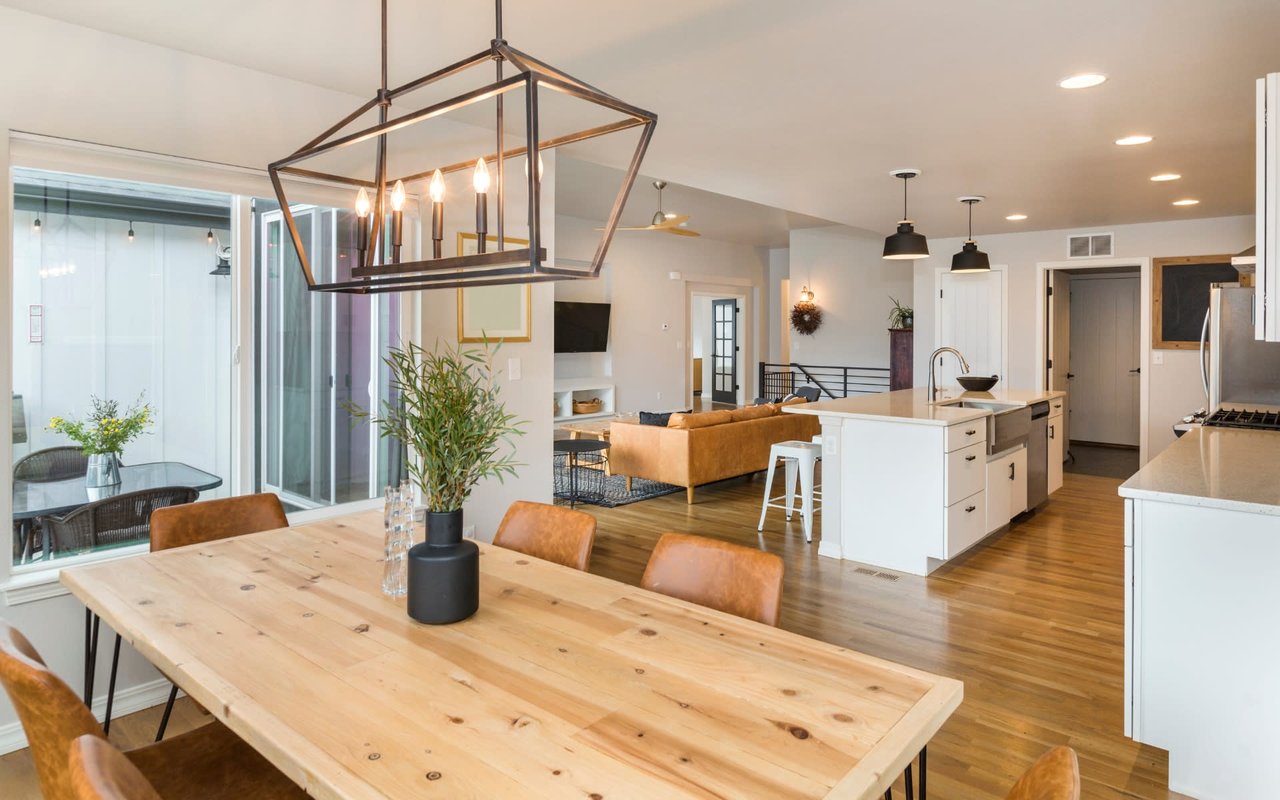
Natural light, room flow, neighborhood atmosphere, and overall comfort remain difficult to judge through a screen. Those details often become the deciding factors between simply liking a listing online and feeling confident enough to move forward.
Buying a Home Is Still a Personal Decision
Technology has made home searches faster and more convenient, but it hasn't eliminated the emotional side of buying real estate.
Many buyers discover that the features they believed were essential become less important once they begin touring homes. Others realize they care more about the neighborhood than the finishes inside the property.
Walking through multiple homes often helps buyers refine their priorities, compare locations, and better understand what their budget can realistically deliver.
Rather than replacing private showings, open houses frequently become an efficient first step in that process.
The Biggest Misunderstanding About Open Houses
A common criticism is that open houses rarely result in an immediate sale.
Viewed in isolation, that statistic can make open houses seem less valuable than they actually are.
In reality, many successful transactions begin with a buyer visiting an open house, returning later with their real estate agent, and ultimately submitting an offer after further evaluation.
The open house may not receive credit as the direct source of the sale, but it often serves as the moment that transforms online interest into genuine buyer intent.
Its influence is frequently greater than the final numbers suggest.
Not Every Home Needs an Open House
Like any marketing strategy, open houses are not automatically the right choice for every listing.
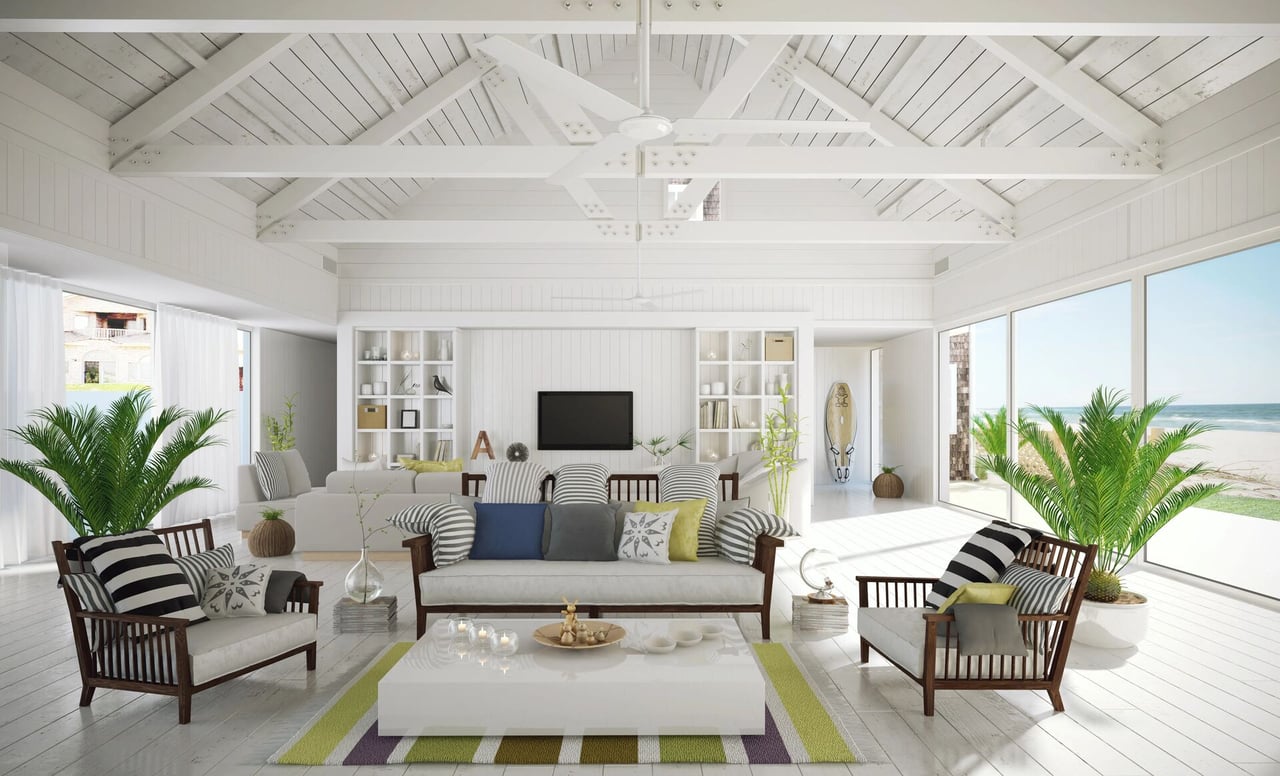
Properties located in highly desirable neighborhoods often benefit from increased foot traffic and local curiosity. Homes with exceptional views, thoughtful renovations, unique architecture, or standout design features also tend to create stronger emotional connections when experienced in person.
Other situations may call for a different approach.
Rural properties, highly specialized homes, or listings with limited visibility may generate fewer walk-in visitors regardless of whether an open house is scheduled. Likewise, if a home is already receiving multiple offers immediately after hitting the market, hosting an open house may add little value.
The effectiveness of an open house depends less on tradition and more on the property's specific circumstances.
Successful Open Houses Begin Long Before the Doors Open
One of the biggest misconceptions is that an open house succeeds because people happen to stop by on a Saturday afternoon.
In reality, today's most effective open houses begin days before anyone arrives.
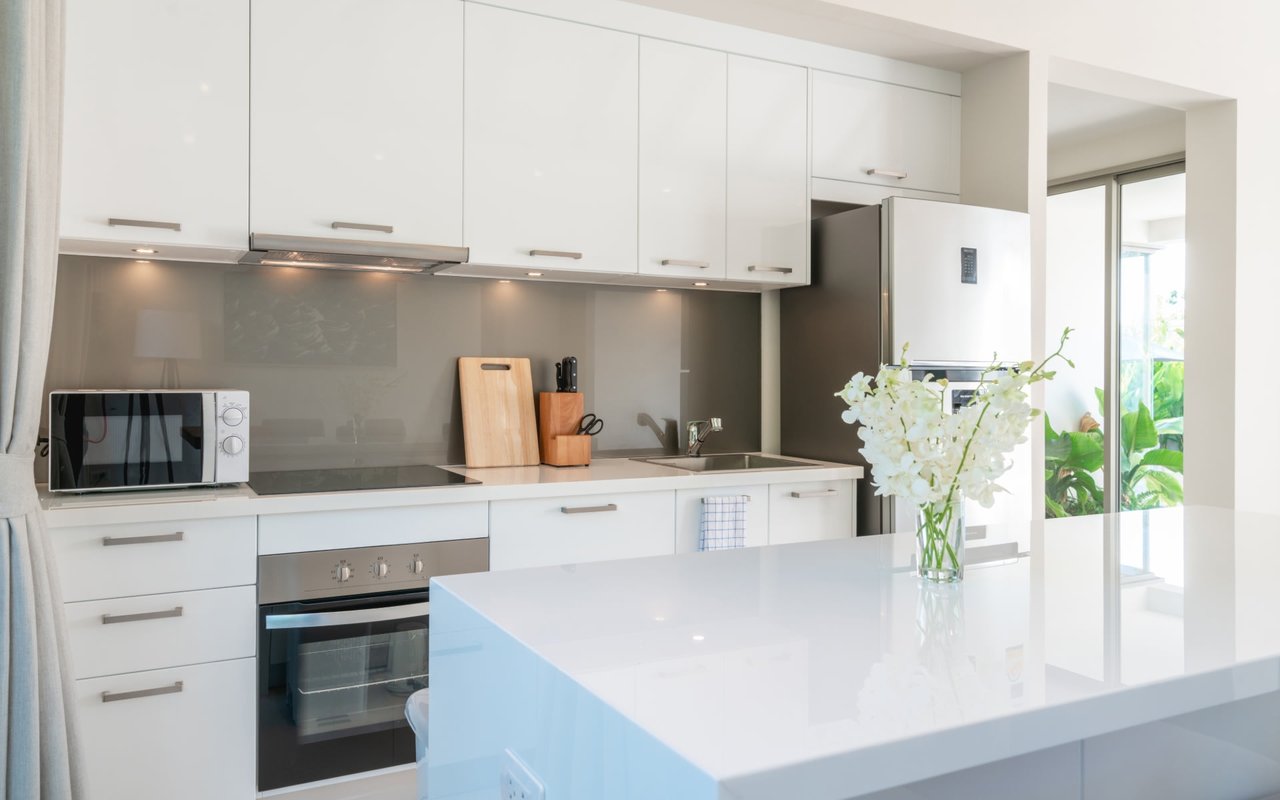
Professional photography, compelling listing descriptions, targeted online marketing, social media promotion, neighborhood outreach, and agent networking all help generate interest before the event takes place.
The open house simply provides buyers with the opportunity to experience in person what initially captured their attention online.
In today's market, digital marketing and open houses work together—not in competition with one another.
Strategy Matters More Than Scheduling
For many years, weekends were considered the obvious choice for hosting an open house.
While Saturdays and Sundays continue to attract strong attendance, buyer behavior has become more flexible. Remote work schedules, changing lifestyles, and neighborhood demographics have created opportunities for weekday and evening events in certain markets.
Rather than following a one-size-fits-all schedule, successful agents increasingly evaluate who the likely buyer is, when they're most available, and what type of event best fits the property.
An open house is no longer simply a calendar appointment.
It's a strategic marketing decision.
The Role of Open Houses Has Changed—Not Their Value
Perhaps the most important shift is recognizing that open houses should no longer be viewed as the primary way buyers discover homes.
That job now belongs to digital marketing.
Instead, open houses serve as the bridge between online research and real-world decision-making. They give buyers the opportunity to validate what they've already seen, experience the property firsthand, and determine whether it's truly the right fit.
For sellers, that means an open house shouldn't be considered a mandatory checkbox—or dismissed as outdated.
It should be evaluated as one tool within a broader marketing strategy designed to maximize exposure, strengthen buyer confidence, and create meaningful opportunities for the right purchaser.
While the home-buying process has evolved dramatically over the past decade, one thing remains unchanged: people still buy homes in person.
And that's exactly why open houses continue to have a place in today's market.