New development can make a nearby home look more valuable before anything has been built.
Future neighborhoods might bring restaurants, retail, parks, housing or new transportation. That can matter to buyers. But there is a big difference between a project that has been announced and one that is actually moving toward construction.
Denver has several examples.
Some projects were approved but took years to move forward. One was stopped by voters. Another has remained unfinished more than 20 years after voters approved the regional transit plan behind it. One downtown apartment conversion ran into a financing problem even after the city identified the building as a good candidate.
For buyers and sellers, the question isn't just what is planned near the property?
It's how far has that project actually progressed?
River Mile: Approved in 2018, Still Being Built in Phases
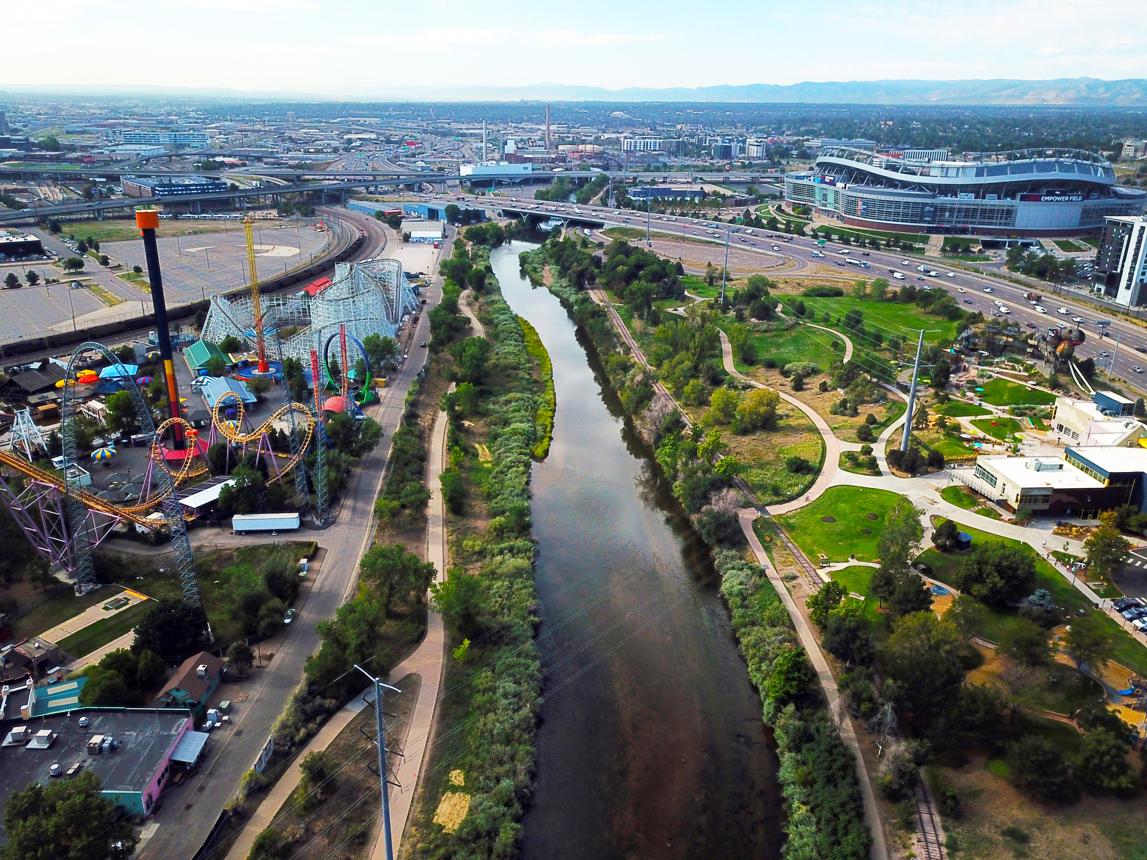
River Mile covers more than 60 acres along the South Platte River at the site of Elitch Gardens.
Denver City Council approved the rezoning in December 2018. The original vision called for roughly 15,000 residential units across three neighborhoods, along with offices, hotels, retail and a redesigned riverfront.
The project was always expected to take years to build. In 2026, Elitch Gardens is still operating on part of the site, while River Mile work continues around infrastructure, permitting and development.
The May 2026 metropolitan district agenda included construction and permitting work for the South Platte River Restoration Project and other River Mile infrastructure matters.
Kroenke Sports & Entertainment took control of the project in 2025, and the River Mile website is currently being updated under its ownership.
For someone buying near the South Platte, that distinction matters.
The future River Mile could eventually change the area substantially. But a home shouldn't be valued as though the entire 15,000-unit neighborhood, riverfront and retail district are already there.
Long-term development plans are not the same thing as finished neighborhoods.
Park Hill Golf Course: The Development Plan Was Rejected
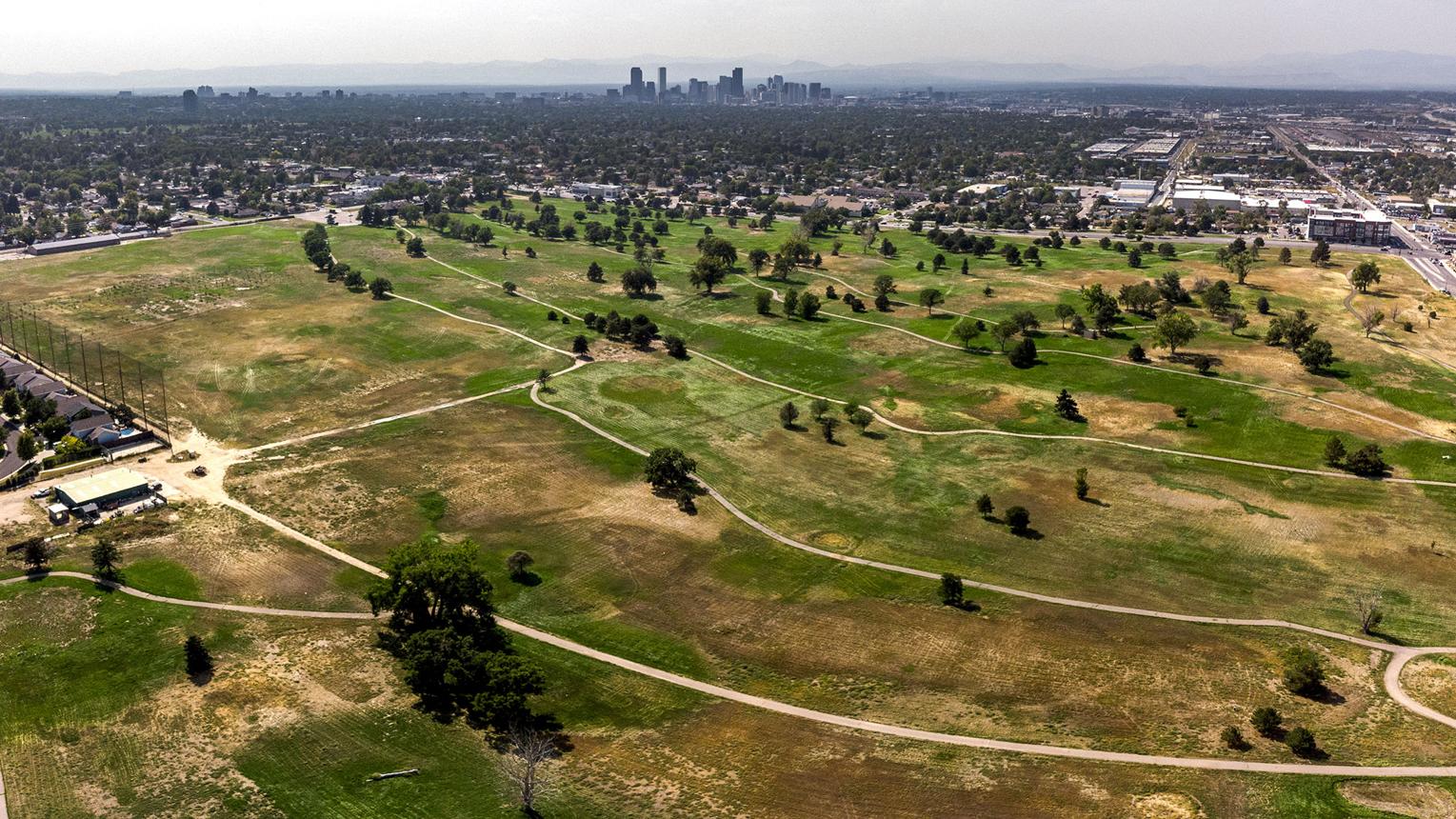
The former Park Hill Golf Course shows what can happen when voters get the final say.
The 155-acre property had a conservation easement dating back to 1997 that restricted its use to a golf course. After the course closed, Westside Investment Partners proposed mixed-use redevelopment with housing, retail, a grocery store and significant public open space.
Denver voters rejected the proposed rezoning in 2023.
The site went in a completely different direction.
Denver acquired the property in 2025 through a land swap and opened Park Hill Park to the public later that year. The city is now working on the park's long-term design, including trails, sports areas, playgrounds and ecological restoration.
Not everything shown in the framework plan has confirmed funding yet.
That detail is worth paying attention to. Even after a project moves from an idea to an official city plan, individual pieces can still depend on future funding.
For nearby homeowners, the question is no longer whether the site will become the proposed mixed-use development.
It won't.
The property is now public parkland.
Northwest Rail: Voters Approved It in 2004, but the Full Line Still Isn't There
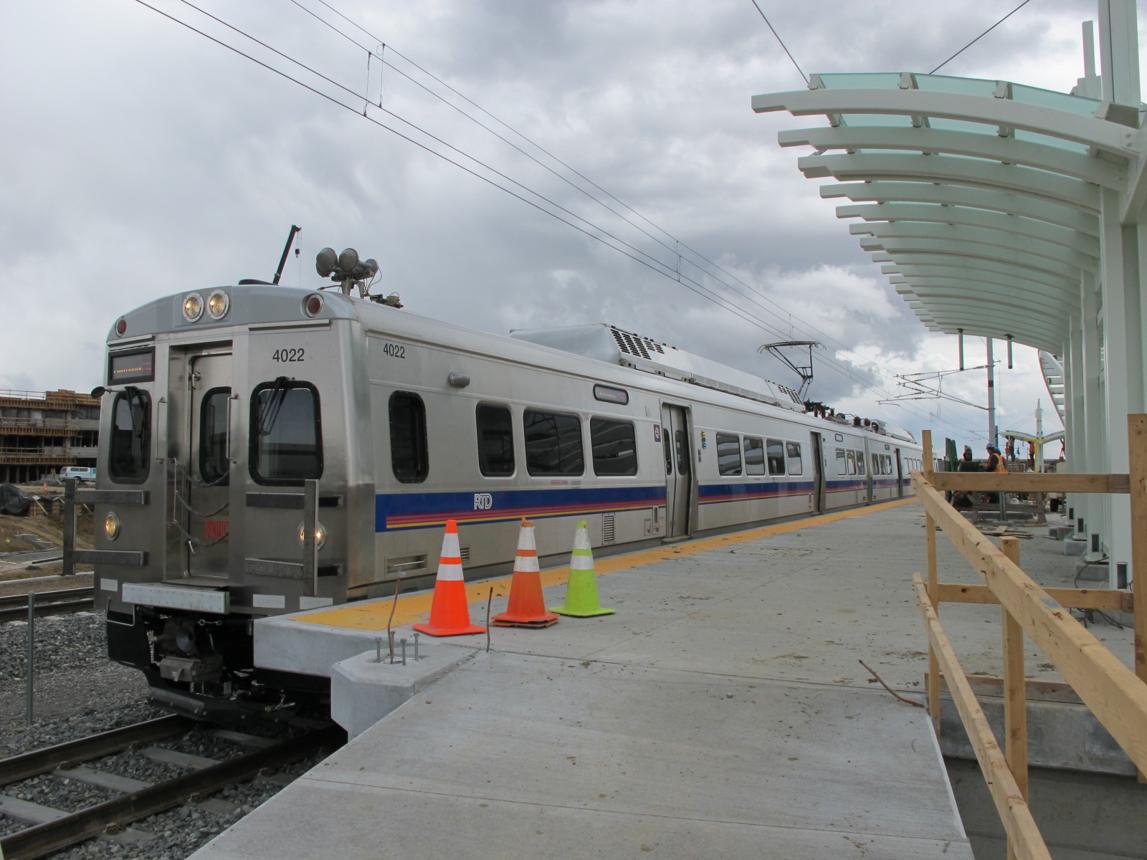
The Northwest Rail corridor has an even longer history.
Denver-area voters approved FasTracks in 2004, including a planned commuter rail connection from Denver to Boulder and Longmont.
Today, RTD's B Line reaches Westminster. The full proposed 41-mile corridor to Longmont has not been completed, and RTD's current description still lists the Boulder and Longmont extensions as future stations.
The financial problem is substantial.
An RTD report released in 2025 identified about $441 million in potential funding through 2034 against roughly $1.6 billion in estimated construction costs for the Northwest Rail and related corridor work. RTD concluded that the available funding was not enough to complete the corridor within the next decade.
That matters when future transportation is part of a property's sales pitch.
Buyers looking at a home because of future rail access should find out whether that rail service is operating, funded for construction, or still part of a long-term plan.
Seeing a line on a map doesn't create a train station.
475 17th Street: The Conversion Still Needed the Money to Work
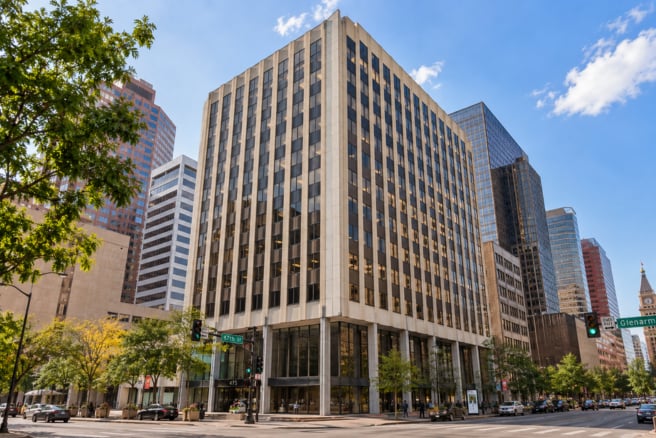
Downtown Denver's 475 17th Street shows another problem: a project can make sense on paper and still struggle financially.
Revesco Properties proposed converting the 16-story office building into about 210 apartments. Denver had also identified the building as a strong candidate for office-to-residential conversion.
But the numbers were difficult.
In April 2026, the Denver Downtown Development Authority rejected Revesco's request for a $29 million loan. The Colorado Sun reported that the project was among several office conversions being considered, but the proposal requested significantly more assistance relative to the project's cost than the authority's guidelines generally allowed.
That doesn't necessarily mean the building will never become apartments.
The proposed conversion simply didn't have the financing needed to move forward under that deal.
For nearby real estate, that's an important distinction. Plans for a 210-unit apartment building can affect how people think about a neighborhood. But until the financing, permits and construction are in place, those future residents are still hypothetical.
What These Projects Mean for Denver Home Buyers
These four projects changed or stalled for very different reasons:
- River Mile: a large, long-term redevelopment still moving through phases.
- Park Hill: a proposed mixed-use development rejected by voters and replaced by a public-park plan.
- Northwest Rail: a voter-approved transit promise that still lacks enough funding to complete the full corridor.
- 475 17th Street: an office-to-apartment conversion that ran into financing problems.
That makes one thing particularly important when you're evaluating a home near a proposed development:
Look at the project's stage, not just the rendering.
One useful way to judge it is:
Announced → someone has proposed it.
Approved → the required government approval has been obtained.
Funded → money has been committed.
Permitted → the project has moved into construction approvals.
Under construction → there is physical work happening on the site.
Those stages can mean very different things for a property's current value.
Should a Planned Development Affect What You Pay for a Home?
It can.
Completed parks, rail stations, retail districts or new employment centers can change how people use a neighborhood and what they are willing to pay to live there.
But a proposed amenity shouldn't automatically be valued the same way.
If you're considering a Denver home because a major development is planned nearby, check:
- What exactly has been approved?
- Is the project funded?
- Are permits filed?
- Has construction started?
- Has the original timeline changed?
- Does another vote or approval remain?
- Which parts of the plan are actually funded?
Those questions give you a much clearer picture than a rendering or a “coming soon” announcement.
Denver will continue to add new developments and redevelopment plans. Some will become the neighborhoods, parks and infrastructure shown in their original plans. Others will be delayed, redesigned, funded differently or replaced altogether.
When you're pricing a home today, the safest place to start is with what physically exists today.
Renderings show what someone wants to build. Permits show that construction can move forward. Construction sites show that the plan has become real.