
Denver's decision to temporarily halt new data center construction isn't just a technology story—it's a real estate story.
The one-year moratorium gives city leaders time to establish new regulations for future data center development after concerns emerged over community notification, infrastructure demands, and neighborhood impacts. While projects that have already been approved will continue moving forward, the pause creates an opportunity to rethink how these large facilities fit into Denver's long-term growth.
For home buyers and homeowners, the decision raises practical questions about future development, utility costs, and how neighborhoods may evolve over the coming years.

Why Denver Paused New Data Center Development?
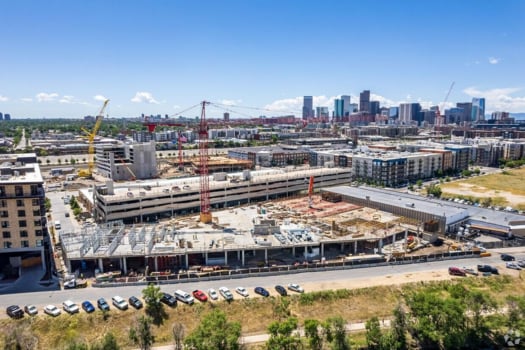
The conversation surrounding data centers gained momentum after residents in North Denver raised concerns about a large facility already under construction. At the time, the city did not have regulations specifically tailored to data centers, allowing projects to move through the standard commercial development process.
As concerns about transparency, industrial development, and community involvement grew, Denver City Council unanimously approved a one-year moratorium on new data center permits. The temporary pause gives city leaders time to create a clearer framework for reviewing future projects, including zoning, infrastructure planning, and public engagement.
Rather than stopping development altogether, the moratorium is intended to ensure future projects better align with the needs of both the city and surrounding communities.

Why Homeowners Should Pay Attention?
One of the biggest concerns isn't the buildings themselves—it's the infrastructure required to support them.
Data centers require substantial amounts of electricity, making energy demand a key part of the discussion. As Colorado prepares for future growth, policymakers and utility providers are evaluating how the infrastructure needed to serve these facilities should be funded.
One proposal being considered would require large energy users to shoulder more of those infrastructure costs instead of passing them on to residential customers. While those discussions are still ongoing, they highlight how utility policy can directly affect the long-term cost of homeownership.
Housing affordability isn't determined by mortgage payments alone. Utility costs are another important factor, making infrastructure planning relevant for anyone considering buying or owning a home in the Denver metro area.
Could Data Centers Affect Property Values?
There's no simple yes-or-no answer.
Research examining communities with established data center markets has found that nearby homes have, in some cases, sold at higher prices. However, researchers concluded that those increases were more closely tied to surrounding infrastructure improvements, employment opportunities, and broader economic growth than to the data centers themselves.
Denver presents a different set of circumstances.
The proposed developments have sparked discussions about neighborhood character, industrial activity, traffic, and long-term land use. Those local factors can influence how buyers perceive an area, which is why real estate decisions should always be evaluated within the context of the specific neighborhood rather than national trends.
Every community is different, and understanding future development plans can provide valuable insight beyond what's visible during a home tour.
What Buyers Should Watch Next?
Although the moratorium lasts only one year, the decisions made during that time could influence Denver's development for years to come.
City leaders are expected to work alongside utility providers, industry representatives, community organizations, and other stakeholders to establish new standards for future data center projects. Those discussions may shape everything from zoning requirements and infrastructure planning to community notification and project review processes.
For buyers, this serves as a reminder that researching a neighborhood extends beyond comparing home prices. Future development plans, infrastructure investments, zoning updates, and public policy can all play a role in how an area changes over time.

Bottom Line
Denver's data center moratorium isn't a sign that the city is stepping away from growth. Instead, it reflects an effort to balance economic development with responsible planning and long-term infrastructure needs.
For buyers and homeowners, the takeaway is simple: evaluate not only the home itself but also the direction of the surrounding community. Major policy decisions rarely transform a housing market overnight, but they can shape neighborhood development, utility costs, and buyer demand over the long run.

Frequently Asked Questions
Why did Denver approve a data center moratorium?
Denver approved a one-year pause on new data center permits to give city leaders time to create updated regulations covering zoning, infrastructure planning, and community engagement.
Will projects already under construction be affected?
No. Projects that already received the necessary approvals may continue moving forward during the moratorium.
Should buyers avoid homes near data centers?
Not necessarily. Real estate is highly local, so buyers should consider neighborhood conditions, future development plans, zoning, and infrastructure improvements before making a decision.
Could data centers increase electricity costs?
As electricity demand continues to grow, policymakers and utility providers are evaluating how future infrastructure costs should be allocated. The outcome of those discussions could influence long-term residential utility costs.
Buying or selling a home involves more than comparing prices. Local policy decisions, infrastructure investments, and neighborhood planning can all shape a neighborhood's future. Staying informed about these changes can help buyers and homeowners make more confident real estate decisions across the Denver metro area.