The Psychology of “Falling in Love” with a Home
1. Nostalgia: The Power of Past Experiences
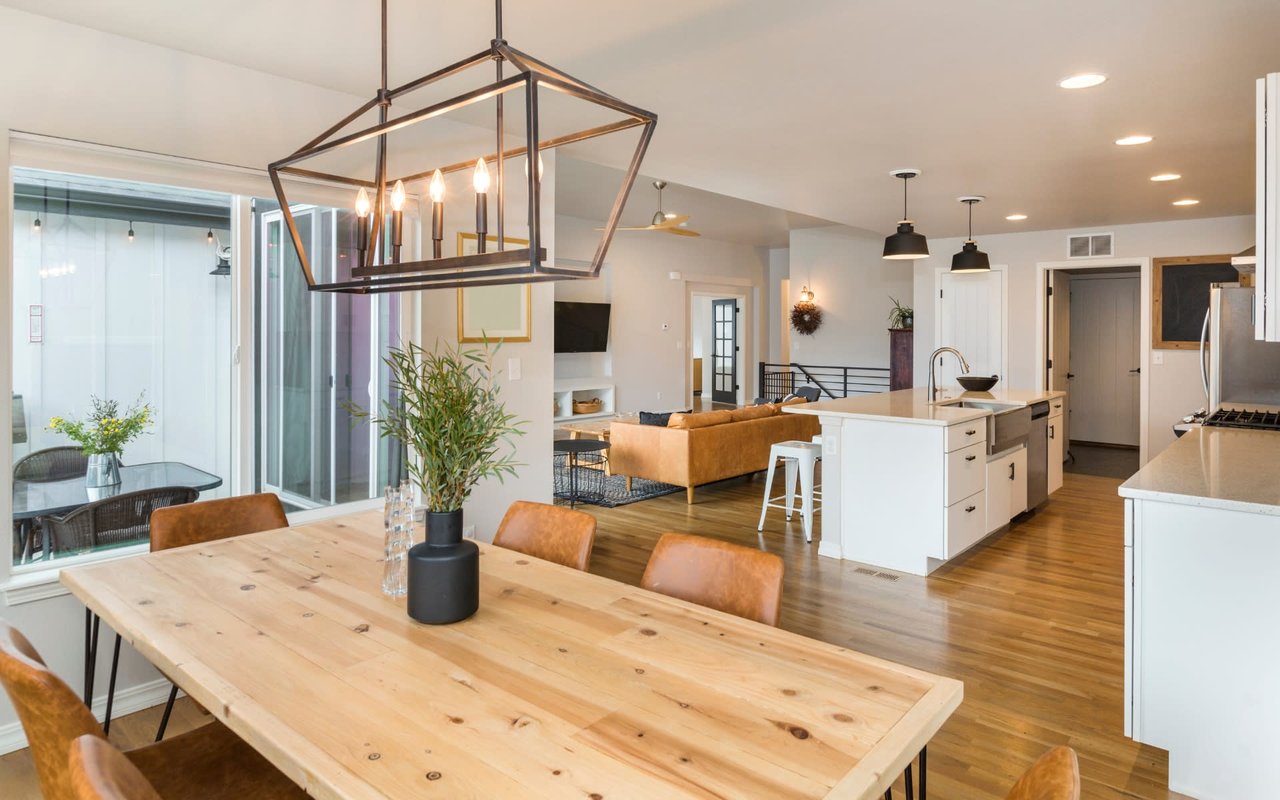
Our memories play a huge role in how we perceive spaces. A buyer who grew up in a house with a big bay window might instantly feel connected to a home with the same feature. Someone who always dreamed of hosting family gatherings might be drawn to an open-concept kitchen—even if they rarely cook.
Example: A couple searching for their first home rejected a modern condo in favor of an older house with a wraparound porch. Why? The wife’s grandmother had a similar home, and it felt like "home" the moment she stepped inside.
2. Lifestyle Fit: Imagining Your Future in the Space
It’s not just about how a home looks—it’s about how it fits your life. Buyers subconsciously picture themselves living in a home before making a decision.
Young professionals might be drawn to walkable neighborhoods with trendy coffee shops.
Families with kids may prioritize big backyards and quiet streets.
Empty nesters often seek low-maintenance homes with cozy, inviting spaces.
Example: A single buyer initially wanted a sleek downtown loft but fell for a townhome in a quieter neighborhood after realizing they valued peace and outdoor space more than nightlife.
3. Aesthetic and Design Appeal: The Instant Connection
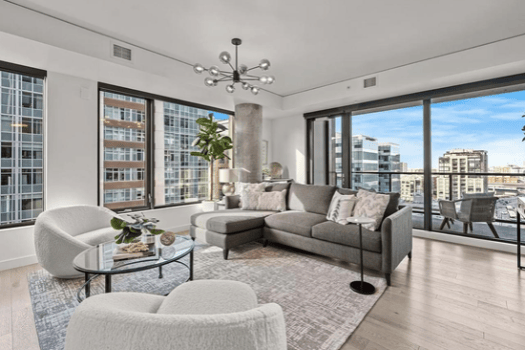
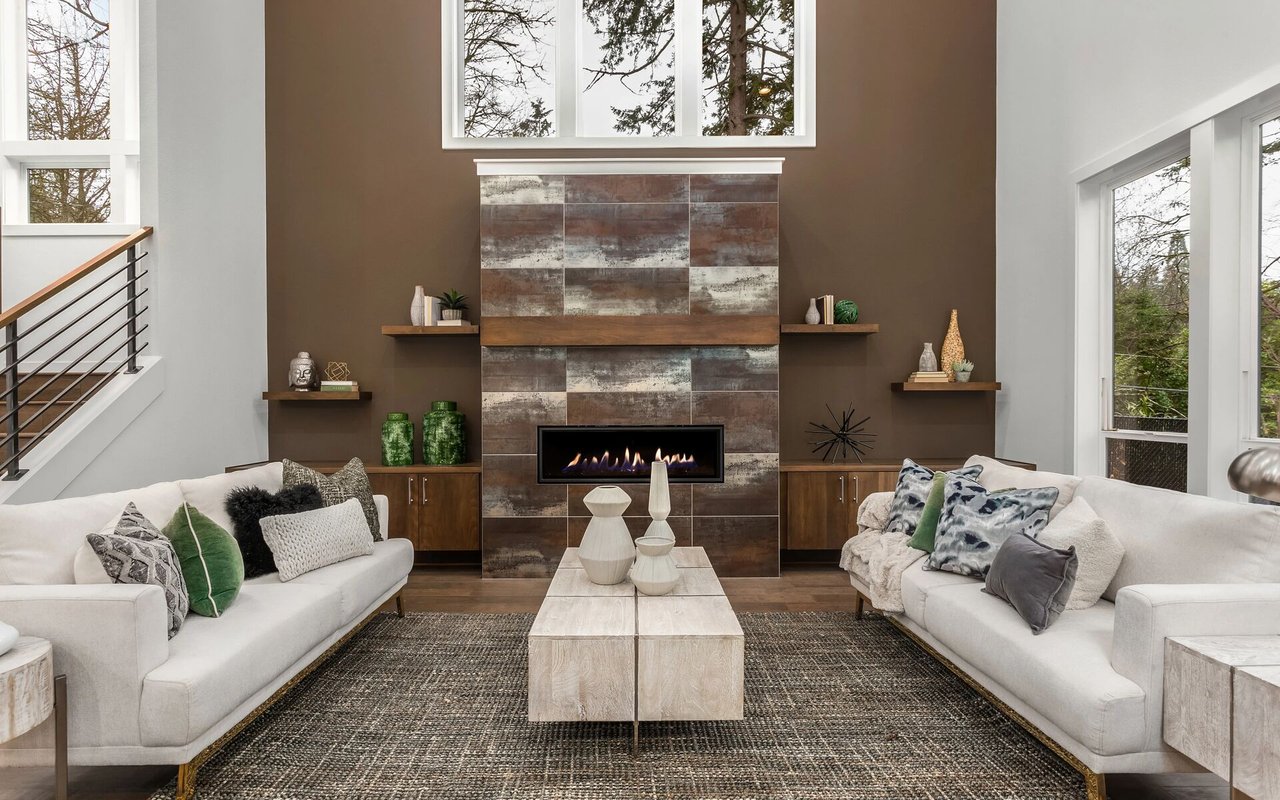
Ever wonder why staged homes sell faster? It’s because well-designed spaces spark an emotional response. High ceilings feel grand, fireplaces feel cozy, and natural light makes a space feel warm and inviting.
Neutral colors help buyers imagine their own décor.
Clean layouts make spaces feel larger.
Unique features (exposed brick, built-in bookshelves) create attachment.
Example: A buyer originally set on a practical, budget-friendly home couldn’t resist a slightly pricier house with a stunning arched doorway—because it made them feel like they were stepping into their dream home.
4. Scent, Sound, and Subconscious Cues
A home isn’t just seen—it’s felt. The right sensory details can make or break a deal.
Scents: A musty smell might turn buyers off, while the scent of fresh linen or baked cookies can create an inviting atmosphere.
Sounds: The hum of traffic might be a deal-breaker, but the sound of birds chirping can feel peaceful.
Lighting: Warm lighting can make a house feel like home, while dim, fluorescent lighting can feel cold and unwelcoming.
Example: A buyer rejected a home simply because the neighbor’s dog barked non-stop. Meanwhile, another buyer fell in love with a home because the sound of a nearby creek reminded them of childhood camping trips.
How to Use Emotional Triggers to Make a Smart Home Purchase
While emotions are important, they shouldn’t lead to impulsive decisions. Here’s how to balance feeling with logic:
✔ Acknowledge your emotional response. If a home makes you feel something, ask why?
✔ Separate wants from needs. Does the emotional appeal align with practical considerations?
✔ Visualize long-term happiness. Will this home still make you happy in five years?
✔ Step away and reassess. If you’re overly emotional, take a break before making an offer.
So Why Emotion and Logic Should Work Together?
Buying a home isn’t just about numbers—it’s about finding a place that feels right. The key is to recognize emotional triggers, understand their impact, and make a decision that balances both heart and mind. When you find the right home, you won’t just see it—you’ll feel it.